

Best Selling Activewear UK: Top Picks for Every Workout

The UK fitness landscape has evolved into a sophisticated arena where performance meets aesthetics, and nowhere is this more evident than in the realm of activewear. Today's discerning athlete demands apparel that transcends mere functionality—garments that support rigorous training modalities whilst offering the versatility to transition seamlessly from studio to street. Understanding which pieces consistently outperform their competitors provides invaluable insight for those seeking to optimise their workout wardrobe.
Navigating the saturated activewear market requires discernment. Premium fabrics, ergonomic construction, and durability under stress separate exceptional pieces from mediocre alternatives. The best-selling items across the UK reveal patterns in consumer preference that align with physiological demands and contemporary training philosophies.
Why Best-Selling Activewear Matters for Your Training Regimen
Popularity metrics in athletic apparel often correlate with genuine performance advantages. When numerous fitness enthusiasts gravitate toward specific pieces, it typically signals superior moisture-wicking properties, enhanced compression technology, or construction techniques that withstand repeated laundering without compromising structural integrity. These garments have proven themselves through countless training sessions, establishing credibility through sustained performance rather than ephemeral marketing campaigns.
The biomechanical demands of contemporary training protocols—whether high-intensity interval circuits, Olympic weightlifting, or dynamic yoga flows—necessitate apparel engineered for specific movement patterns. Best-selling pieces frequently incorporate proprietary fabric blends that provide four-way stretch capabilities whilst maintaining compression zones that support musculature during explosive movements. This confluence of flexibility and stability prevents restriction whilst minimising fatigue-inducing vibrations in working muscles.
Featured Best-Sellers Collection: Curated Excellence
For those seeking a streamlined approach to discovering top-performing activewear, curated collections offer significant advantages. Rather than sifting through endless product catalogues, these carefully assembled selections showcase pieces that have demonstrated consistent appeal amongst serious athletes and casual fitness participants alike.
The featured collection represents the intersection of proven performance and contemporary design sensibilities. Each piece has earned its position through sustained popularity, indicating not merely aesthetic appeal but functional superiority that resonates with real-world training demands. From compression leggings engineered with graduated pressure zones to moisture-transport tops featuring antimicrobial treatments, these selections address the multifaceted challenges inherent in rigorous physical training. This curated approach eliminates decision fatigue, allowing you to focus energies on programming and progression rather than endless product comparisons.
Compression Wear: The Foundation of Performance Activewear
Compression technology represents perhaps the most significant advancement in modern activewear engineering. These garments utilise graduated pressure to enhance venous return, potentially reducing metabolic waste accumulation and supporting recovery kinetics. The UK market has witnessed particular enthusiasm for full-length compression tights featuring zoned panelling that aligns with major muscle groups.
Understanding Compression Levels and Applications
Not all compression garments deliver equivalent pressure profiles. Medical-grade compression typically ranges from 20-30 mmHg, whilst athletic compression generally operates between 15-20 mmHg—sufficient to provide proprioceptive feedback and circulatory support without impeding performance. Best-selling compression pieces strike this delicate equilibrium, offering enough tension to stabilise soft tissue structures without creating uncomfortable restriction during complex movement patterns.
The strategic placement of compression zones distinguishes premium offerings from basic alternatives. Quadriceps and hamstring panels with higher tension coefficients support explosive movements, whilst more forgiving fabrics around joints preserve range of motion. This anatomically-informed engineering explains why certain pieces consistently outsell competitors despite higher price points.
Fabric Technology in Leading Compression Lines
Contemporary compression wear frequently incorporates blended textiles combining nylon, elastane, and polyester in proprietary ratios. These combinations yield fabrics with exceptional resilience—maintaining compression efficacy through hundreds of wear cycles whilst resisting pilling and structural degradation. Advanced variants include silver-ion treatments that inhibit bacterial proliferation, addressing the malodorous consequences of intense training sessions.
The most effective compression garments feel like a second skin—present enough to provide tangible support, yet sufficiently refined to disappear from conscious awareness during training.
High-Performance Gym Sets: Coordinated Excellence
Coordinated gym sets have surged in popularity, reflecting both aesthetic preferences and practical advantages. These matched ensembles eliminate decision-making overhead whilst ensuring fabric compatibility and cohesive compression distribution across upper and lower body segments. Best-selling sets typically feature seamless construction techniques that minimise chafing and irritation during high-repetition movements.
The psychological dimension of coordinated activewear warrants consideration. Research into enclothed cognition suggests that athletic apparel influences performance through altered self-perception and confidence. Wearing purpose-designed, aesthetically coherent gym attire may enhance training quality through subtle psychological mechanisms, creating a virtuous cycle of improved performance and sustained motivation.
Essential Characteristics of Top-Rated Activewear
Certain attributes consistently appear across best-selling activewear lines. Understanding these features enables informed purchasing decisions aligned with specific training requirements and physiological needs.
- Moisture-transport systems that actively wick perspiration away from skin surfaces
- Four-way stretch fabrics accommodating multi-planar movements without restriction
- Flatlock seaming that eliminates pressure points and abrasion zones
- Antimicrobial treatments preventing odour development between laundering cycles
- Strategic mesh panelling enhancing thermoregulation during intense efforts
- Squat-proof opacity maintaining coverage during deep flexion movements
- Reinforced waistbands preventing migration during dynamic exercises
Footwear Selection: Foundation of Movement Quality
Whilst often overlooked in activewear discussions, footwear fundamentally influences biomechanical efficiency and injury risk profiles. Best-selling athletic shoes in the UK market reflect diverse training philosophies, from minimalist designs promoting natural foot mechanics to maximalist constructions offering substantial cushioning for high-impact activities.
Matching Footwear to Training Modality
Olympic weightlifting demands elevated heels and rigid soles that facilitate upright torso positioning during squatting movements. Conversely, functional fitness training benefits from flexible, flat-soled options supporting multi-directional agility. Running-specific shoes incorporate midsole technologies that attenuate ground reaction forces, whilst studio fitness often requires grippy rubber outsoles preventing lateral slippage on polished surfaces.
| Training Type | Optimal Footwear Characteristics | Popular Features |
|---|---|---|
| Strength Training | Flat sole, minimal cushioning, lateral stability | Wide toe box, metatarsal strap |
| HIIT Workouts | Responsive midsole, forefoot flexibility, breathability | Quick-dry uppers, reinforced sidewalls |
| Running | Impact attenuation, heel-toe drop, lightweight construction | Energy-return foam, mesh ventilation |
| Studio Classes | Pivot points, cushioned insole, non-marking outsole | Ankle support, aesthetic design |
Smart Watches and Performance Tracking Technology
The quantified-self movement has positioned wearable technology as integral to modern training protocols. Best-selling fitness smartwatches offer comprehensive biometric monitoring—heart rate variability, sleep architecture, training load quantification—enabling data-driven programming adjustments that optimise adaptation whilst mitigating overtraining risk.
Advanced models incorporate GPS tracking, barometric altimeters, and gyroscopic sensors that capture granular movement data. This information transforms subjective training experiences into objective metrics, facilitating progressive overload strategies grounded in empirical evidence rather than intuition alone. The integration of these devices with comprehensive fitness ecosystems creates feedback loops that support long-term adherence and goal attainment.
Accessories That Enhance Workout Efficacy
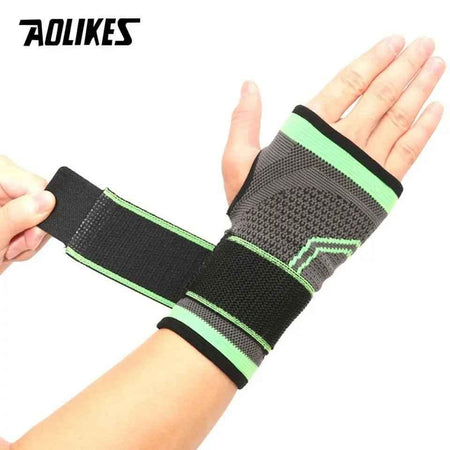
Peripheral equipment—resistance bands, foam rollers, training gloves—represents the often-underappreciated complement to core activewear pieces. Best-selling accessories typically address specific pain points: grip enhancement during pulling movements, myofascial release for recovery optimisation, or joint support during high-stress exercises.
Recovery Tools Gaining Market Traction
The paradigm shift towards recovery-focused training philosophies has elevated tools like percussion massage devices and compression boots into mainstream consciousness. These implements facilitate accelerated metabolic waste clearance and may reduce delayed-onset muscle soreness, potentially enabling increased training frequency without accumulated fatigue. Their prominence amongst best-sellers reflects growing sophistication in UK fitness culture regarding the recovery-adaptation relationship.
Material Innovation Driving Market Preferences
Textile engineering continues advancing at remarkable velocity. Recent innovations include graphene-infused fabrics promising enhanced thermoregulation, bio-based elastanes reducing environmental footprints, and mechanoluminescent fibres providing visibility during low-light training conditions. These developments influence purchasing patterns as environmentally-conscious consumers increasingly prioritise sustainability alongside performance.
Recycled polyester and ocean-reclaimed nylon now feature prominently in best-selling lines, demonstrating that ecological responsibility need not compromise functional excellence. These materials undergo rigorous testing to ensure moisture-management properties, durability characteristics, and compression consistency match virgin-material counterparts, eliminating the performance penalties historically associated with sustainable alternatives.
Seasonal Considerations for UK Activewear Selection
Britain's temperate maritime climate presents unique challenges requiring adaptable layering strategies. Winter training demands thermal base layers with moisture-transport capabilities that prevent perspiration accumulation against skin surfaces—a recipe for hypothermic risk when intensity drops. Conversely, summer conditions necessitate ultralight fabrics with maximal breathability and UPF protection against solar radiation.
Best-selling pieces often demonstrate cross-seasonal versatility through clever design features: removable sleeves, convertible lengths, or fabric zones with varied thermal properties. This adaptability maximises wardrobe efficiency whilst accommodating the UK's notoriously unpredictable weather patterns that can shift from mild to inclement within single training sessions.
Investment Versus Value: Navigating Price Points
Premium activewear commands substantial prices, raising legitimate questions about cost justification. Best-selling items across price tiers reveal interesting patterns: whilst elite-tier products offer marginal performance improvements, mid-range options frequently deliver exceptional value through careful material selection and construction quality that rivals luxury competitors.
Durability calculations alter cost-per-wear equations significantly. A £60 pair of compression tights maintaining structural integrity through 200 training sessions represents superior value compared to £25 alternatives requiring replacement after 40 wears. Allen-Fitness addresses this consideration through rigorous quality standards and a 90-day return policy, providing assurance that investment pieces will deliver sustained performance throughout extended use periods.
How to Evaluate Activewear Before Purchase
Several assessment criteria help predict whether specific pieces will satisfy individual requirements. Fabric stretch recovery—the material's ability to return to original dimensions after extension—indicates long-term performance retention. Seam integrity under tension reveals construction quality, whilst hand-feel provides immediate tactile feedback regarding comfort against skin.
- Examine stitching density and consistency, particularly at stress points like gussets and waistbands
- Assess opacity by stretching fabric under lighting conditions simulating training environments
- Evaluate moisture-management by dampening small sections and observing wicking speed
- Test waistband security through movement simulation mimicking intended exercises
- Verify size consistency against manufacturer's detailed measurement specifications
Frequently Asked Questions About Activewear Selection
What differentiates best-selling activewear from budget alternatives?
Superior pieces typically feature advanced fabric engineering with enhanced durability, targeted compression distribution, and construction techniques that withstand repeated stress without structural failure. These garments maintain performance characteristics through numerous laundering cycles, offering better long-term value despite higher initial investment.
How frequently should quality activewear be replaced?
Well-constructed pieces should endure 150-300 training sessions before exhibiting significant performance degradation. Indicators necessitating replacement include visible thinning, compression loss resulting in fabric looseness, or persistent odour despite proper laundering—suggesting antimicrobial treatment exhaustion.
Do I need different activewear for various training types?
Specialised activities benefit from purpose-designed apparel. High-impact cardio requires maximum breathability and moisture transport, strength training favours less stretch with enhanced durability, whilst yoga demands four-way stretch with minimal restriction. Versatile pieces can accommodate multiple modalities, though performance optimisation often requires activity-specific selections.
How does proper activewear influence injury prevention?
Compression garments provide proprioceptive enhancement—heightened awareness of limb position—potentially improving movement quality and joint stability. Additionally, moisture management prevents temperature fluctuations that may compromise tissue elasticity, whilst supportive construction reduces excessive soft-tissue oscillation during impact activities.
Maximising Activewear Longevity Through Proper Care
Even premium garments deteriorate prematurely without appropriate maintenance protocols. Cold-water laundering preserves elastane integrity, whilst air-drying prevents heat-induced structural damage common with tumble drying. Avoiding fabric softeners maintains moisture-wicking properties that these products can impair through residue accumulation.
Immediate post-workout rinsing removes salt and metabolic byproducts that accelerate fabric degradation if allowed to set. This simple intervention significantly extends garment lifespan whilst maintaining freshness and antimicrobial efficacy. Proper storage—folded rather than hung for compression pieces—prevents overstretching during dormant periods.
The UK activewear market continues evolving, driven by technological innovations and increasingly sophisticated consumer demands. Best-selling pieces represent validated solutions to common training challenges, offering proven performance that justifies their market prominence. Whether seeking compression technology for recovery enhancement, coordinated sets for psychological confidence, or specialised footwear for biomechanical optimisation, understanding what drives popularity empowers informed decisions aligned with individual training objectives. Allen-Fitness's commitment to premium materials, secure transactions, complimentary UK delivery above £50, and generous return provisions ensures that exploring best-selling activewear carries minimal risk whilst offering substantial potential for training enhancement.
Hinterlassen Sie einen Kommentar